Updates
What we're shipping, what we're learning, and what's changing in dealer marketing.

Meet Hey Vicki, our new AI assistant, at Digital Dealer. Join Vicimus at booth #527 in Detroit, September 22–23, and explore a more connected dealership.

Cross-border dealer groups usually run two vendor stacks and two sets of numbers. What it takes to run one — and why the hard part is support, not software.

Four measured gaps in the service lane — photos on the RO, the trade valuation nobody offers, the $3,195 tipping point, and the lapsed customers no one owns.
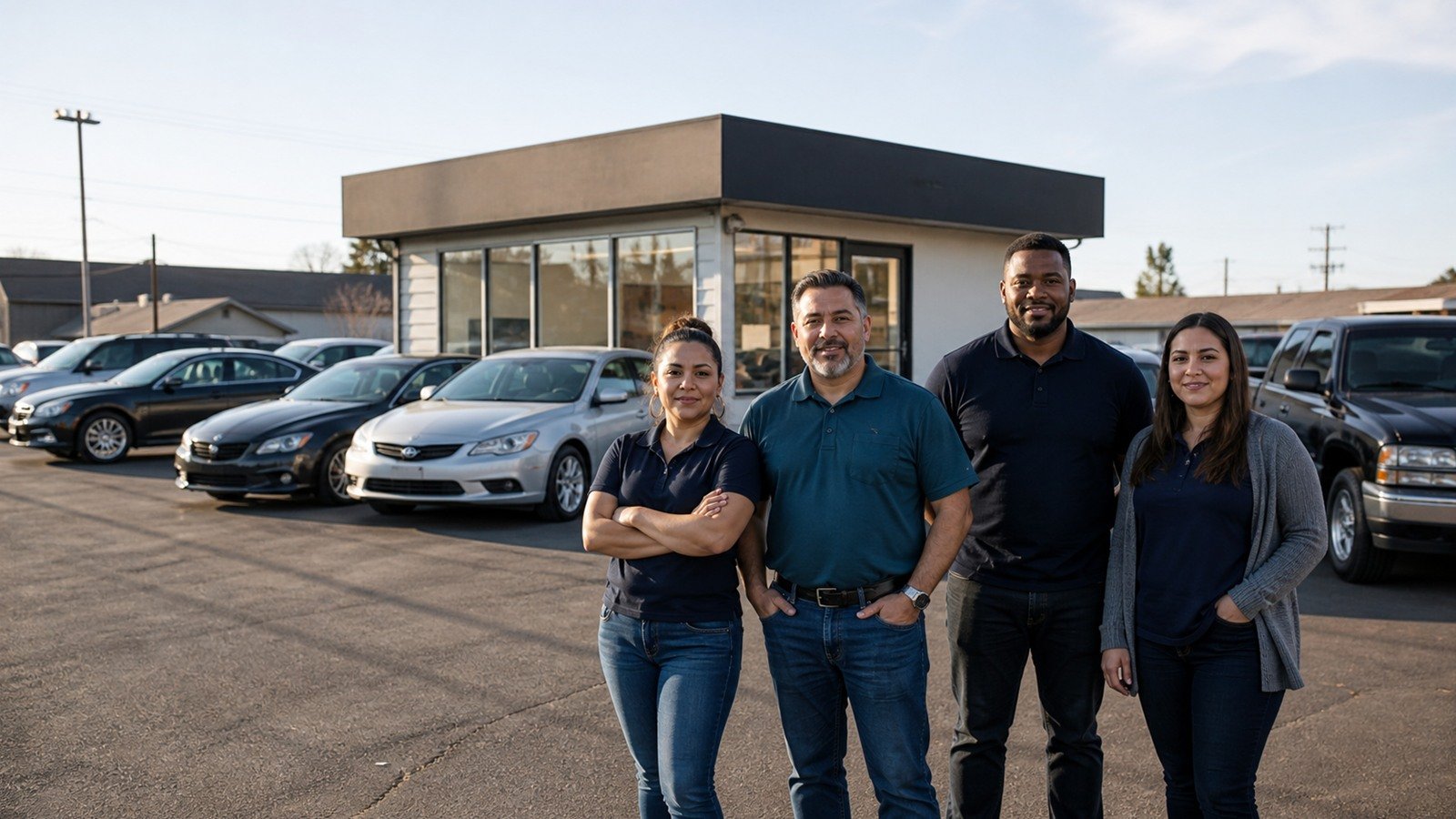
Franchise stores get the software. The US independent and buy-here-pay-here segment is three times larger by rooftop and mostly sold franchise tools at a discount.

Dealers don't lack reports. They lack a report that survives a disagreement — one number all four departments accept, with the reason behind the trend attached.

The top 10 dealer groups now move 11.1% of US new vehicles. The gap between a group store and a single rooftop isn't capital — it's whether marketing runs as one system.

Canada's anti-spam law forced express consent and clean audit trails from day one. Then US consent rules tightened in 2025 — and the hard part was already built.
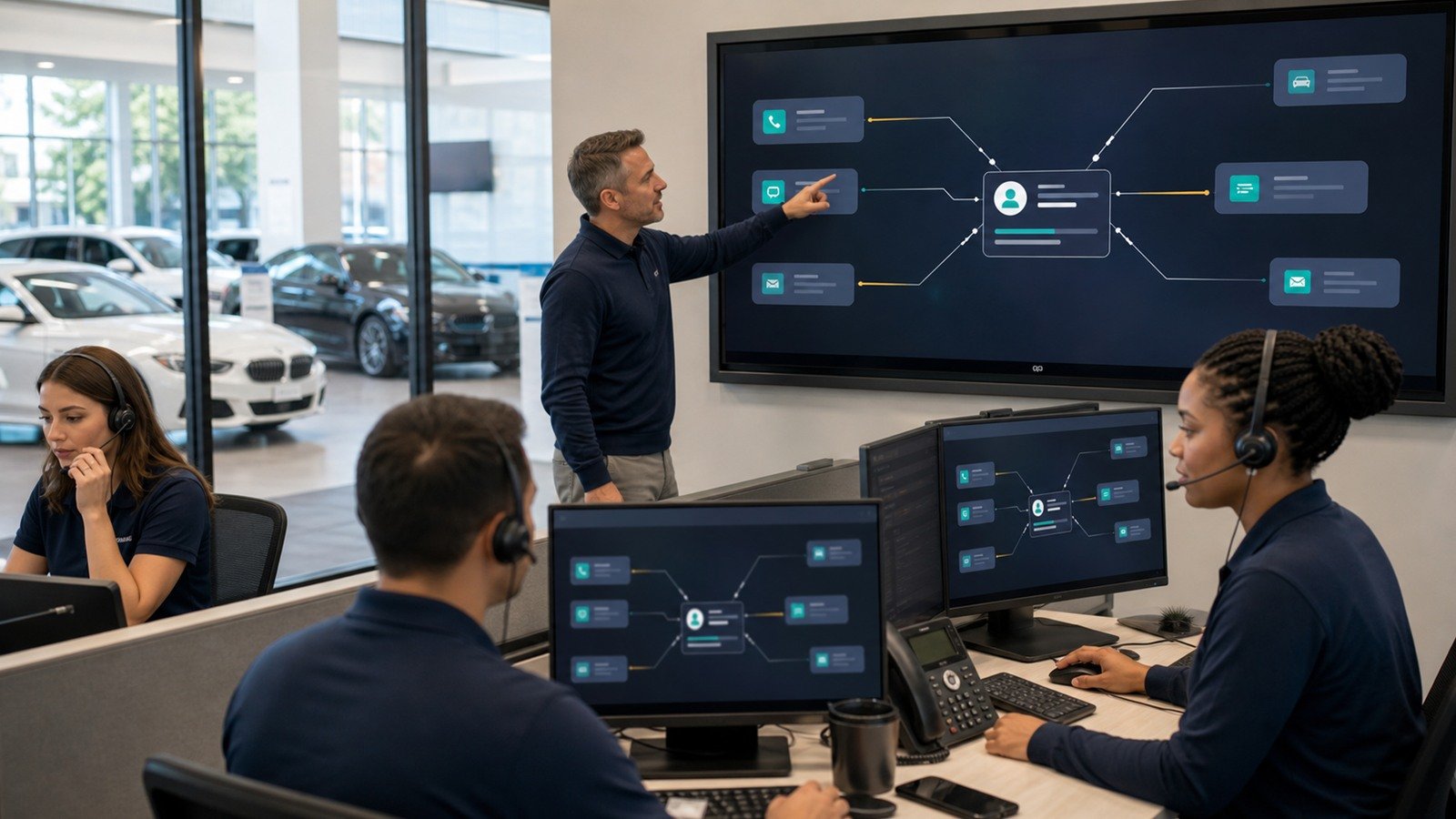
Dealers drop 30 to 40% of calls and mishandle 43% of leads — not for lack of software. The problem is twelve tools that don't share a customer record.

Most retention programmes fail on delivery, not copy. Smart Messaging watches which medium each customer actually engages with, then stops using the other three.
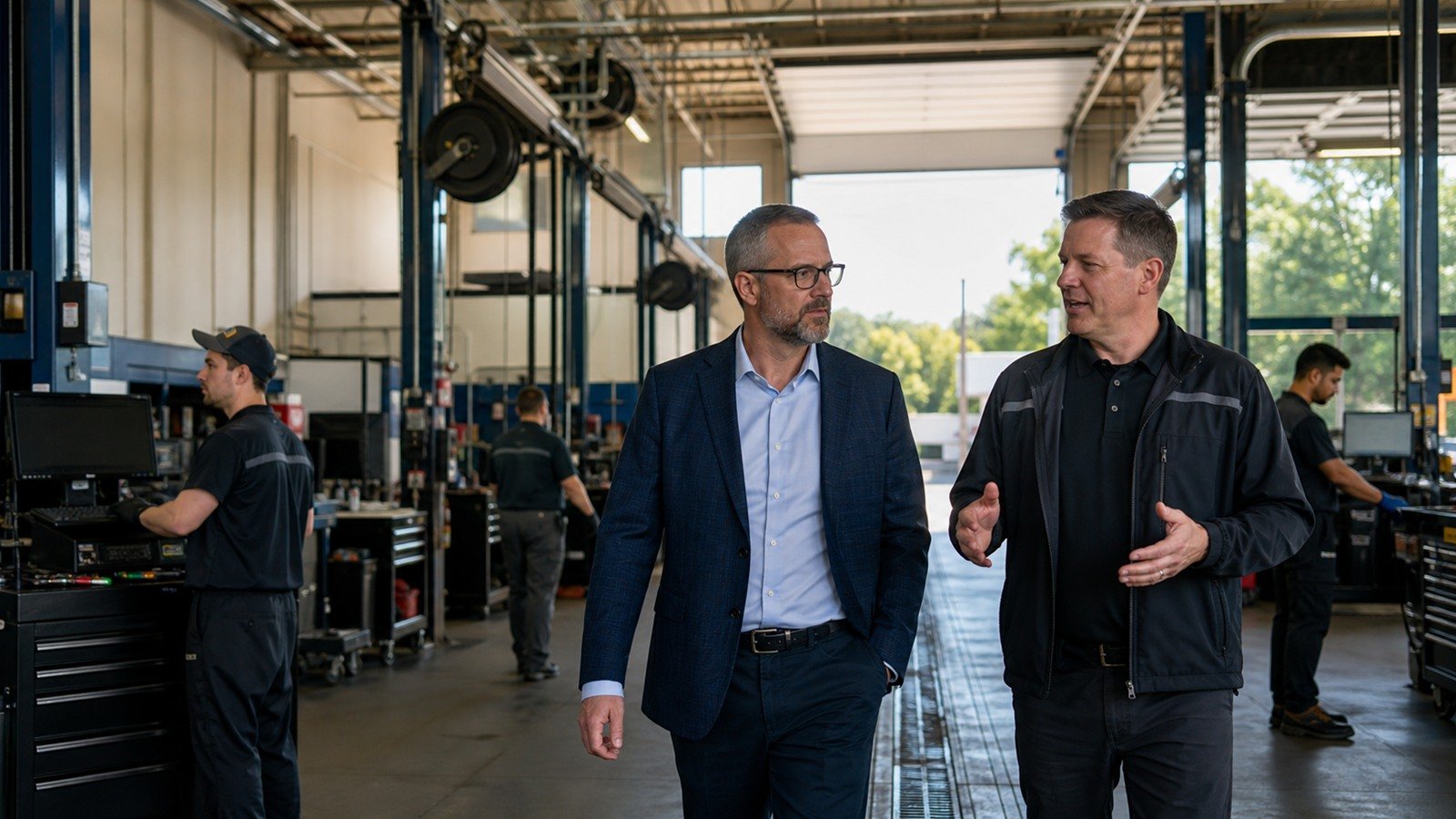
There are roughly 69,000 active dealerships in the US and the same retention gap we spent sixteen years solving in Canada. The problem crosses the border cleanly.

US dealers spent $9.96 billion on advertising last year — $739 per vehicle sold. The number worth comparing it to is what it costs to talk to someone you already sold.

In 2023, 72% of owners with a nearly-new vehicle serviced where they bought it. By 2025 it was 54%. That 18-point drop is the most expensive trend in the business.

New-vehicle sales are forecast to close 2026 down 2.9%. When the market stops handing you volume, growth has to come from the customers already in your database.

Sales, service, parts and inventory reporting now share a single connected layer — with benchmarked KPIs and trend analysis tied back to the vehicle.

As automotive vendor support thins out industry-wide, a dedicated performance manager with a capped client load is more relevant than ever.

How capturing behavioural signals lets your store engage at the forefront of the customer's consideration process, before a third-party lead provider does.