
Here is the single number I bring to most first conversations with a new dealer.
In 2023, 72% of people with a vehicle two years old or newer took it back to the dealership they bought it from for service. By 2025, that number was 54%.
Eighteen points, in two years, on the customers who should be the easiest to keep — people still inside their warranty, still on their original financing, who bought the car from you recently enough to remember the salesperson's name.
It gets worse before it gets better
The broader picture from the same research:
- Dealerships now handle 12% fewer service visits than in 2018
- Dealer share of all service visits has fallen to 29%, down from 33%
- General repair shops are now the preferred choice at 33%, ahead of dealerships at 31%
- On vehicles two to five years old, dealer share is 45%, down from 58% in 2018
And the part that makes it genuinely strange: dealers aren't losing on price. Average dealership repair runs about $261 per visit against $275 at an independent shop. Dealers are cheaper and still losing share.
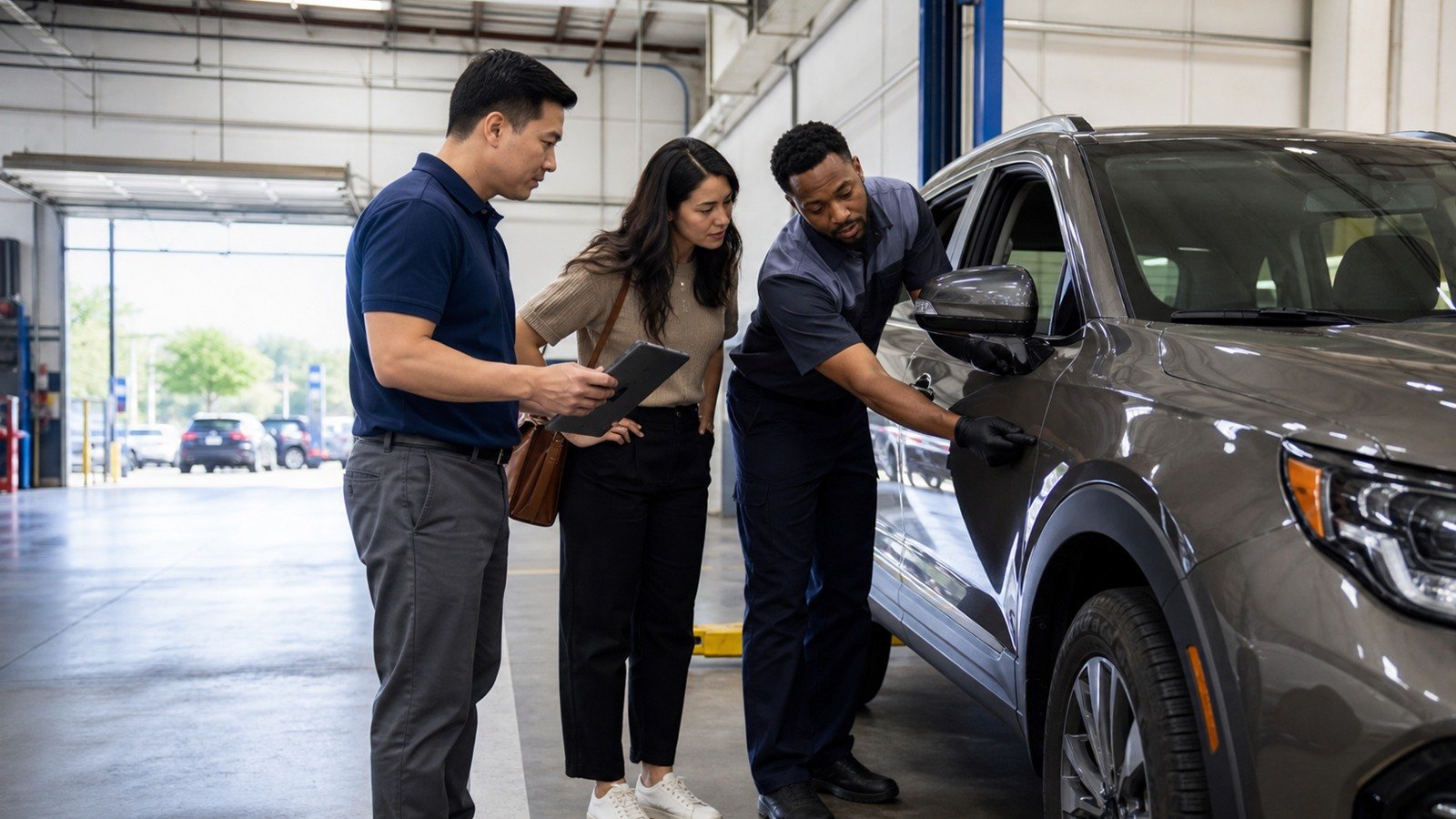
When customers unhappy with dealership service are asked why, 45% point to surprise costs and poor communication — not the price itself. They didn't leave because you cost more. They left because they didn't know what it was going to cost until it was done.
Why this is a sales problem, not a service problem
If you run the sales side and you've read this far thinking it's someone else's department, here's the number that makes it yours:
Buyers who return to their selling dealer for service are 74% likely to repurchase from that dealer. Buyers who don't are 44% likely.
Thirty points of repurchase probability, decided in the service drive. Your next three years of sales volume is being determined right now by whether your advisor called someone back.
What actually recovers it
Four things, in the order I'd do them.
1. Find the lapsed customers before you court the new ones.
Analysis across 747 dealerships found cohort retention at 65.8%, rising to 73.9% once lapsed-customer reactivation was included. That eight-point gap is not a technology story. It's the value of systematically contacting people who quietly stopped coming — which almost nobody does, because nobody owns the list.
2. Fix the communication gap, because it's the stated reason.
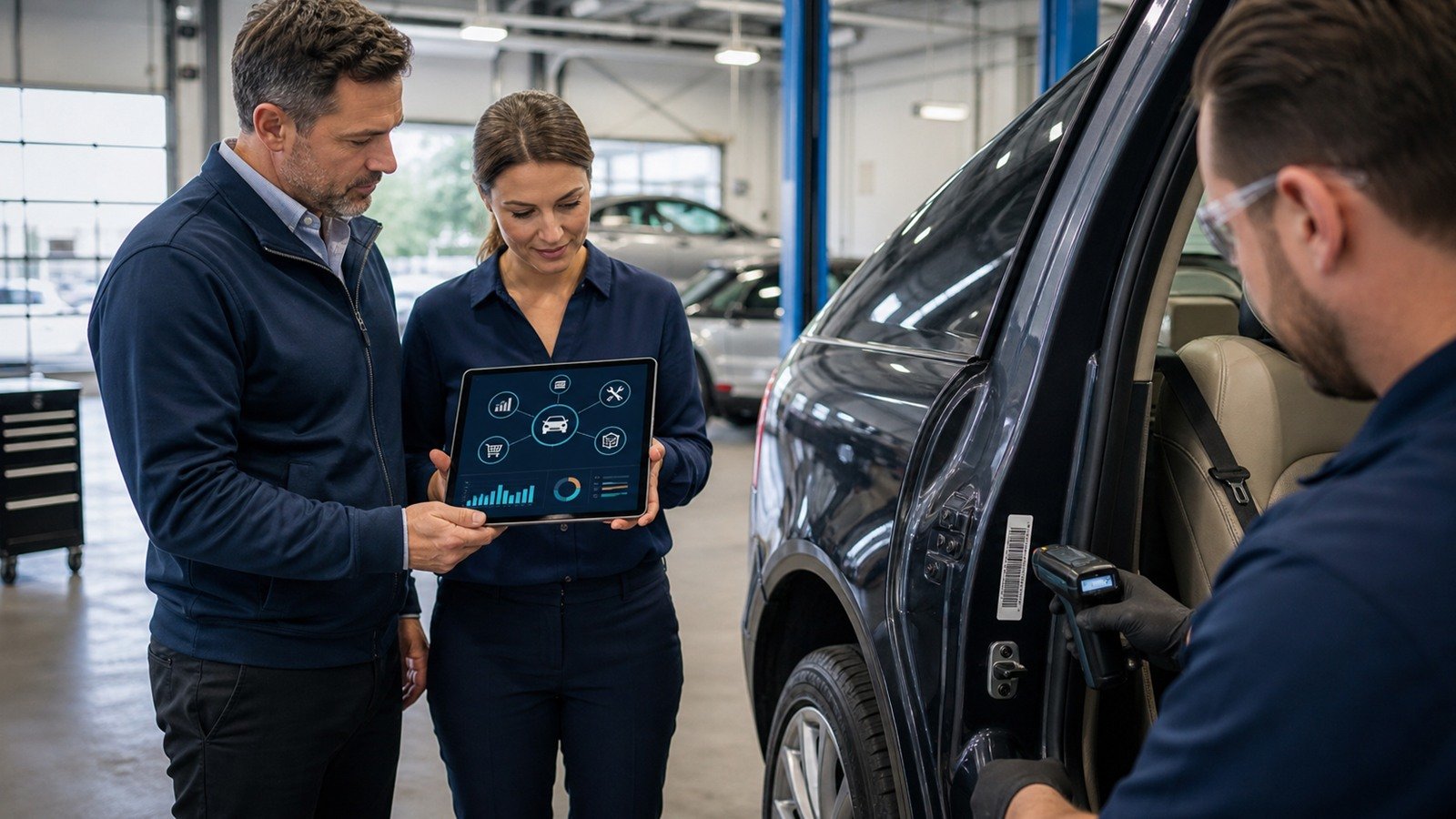
Repair orders that included photos or video averaged $640 against $410 without. That's a $230 gap on the same work. Customers aren't approving more because they're persuaded; they're approving because they can finally see what you're talking about.
3. Stop treating service and sales as separate databases.
Only 14% of service customers are offered a trade-in valuation, while 33% say they'd want one. And there's a tipping point in the data: customers start preferring to trade rather than repair once costs reach around $3,195. If you don't know which of today's ROs are near that line, you're finding out when they buy somewhere else.
4. Make the outreach standing infrastructure.
This is the part Bumper Retention exists to do. Service-due, declined-service, lapsed-customer and mileage-based communication running continuously across email, SMS, direct mail and ringless voicemail — segmented, personalized to the vehicle owned, and tracked back to the customer record. Not a campaign somebody remembers to launch.
The honest caveat
None of this recovers 18 points in a quarter. Service defection accumulated over years and it reverses over quarters. What it does do — quickly — is stop the bleeding on the lapsed cohort, because those customers haven't chosen a new shop so much as drifted out of contact with yours.
That's the group I'd start with. They're the cheapest to get back, and they're the ones most likely to be gone for good if you wait another year.
Figures: Cox Automotive dealership ownership study (fielded Sept–Oct 2025, published April 2026) and Kimoby's analysis of service retention across 747 dealerships.